
Where Does Protective Guard Netting Belong? A New ProGMA Video Breaks It Down
From conveyor lines to automated storage and retrieval systems, today’s warehouses and manufacturing facilities move products through more elevated, automated, and high-density spaces than ever before. Every one of those spaces carries the same underlying risk: something can fall. A new video from the Protective Guarding Manufacturers Association (ProGMA), “Protective Guard Netting: Applications Overview,” walks through exactly where protective guard netting belongs in a modern facility. The video also explains why this solution is a foundational part of a comprehensive safety plan.
One Common Purpose, Many Applications for Protective Guard Netting
As the video explains, protective guard netting systems defend operations against falling objects, causing worker injuries and product damage. Whether it’s installed along a conveyor, wrapped around a rack bay, hung on a mezzanine, or used to divide a warehouse into segregated zones, protective guard netting has a single objective. It catches what falls before it hits a person, a machine, or the floor.
“Every application looks a little different, but the goal is always the same: contain the fall before it becomes an incident,” said Russ Schirmer, Director of Sales at Carron Net Company. The company is a member of ProGMA. “That’s true whether you’re talking about a box falling off a conveyor or a pallet load shifting on a rack three levels up.”
Six Applications Featured in the Video
The video highlights six of the most common places protective guard netting is used in industrial facilities today:
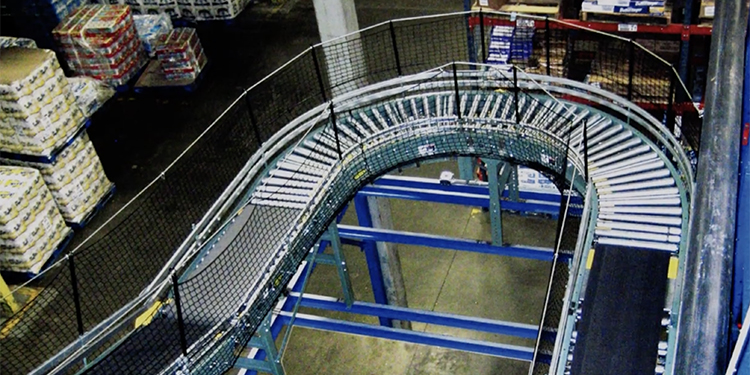
Conveyors
Whether at ground level or overhead, conveyors move product constantly. Yet without proper guarding, items can fall and endanger workers or damage equipment below. Netting captures wayward boxes or parts, allowing personnel to safely retrieve them without shutting down the line.
Rack Guarding
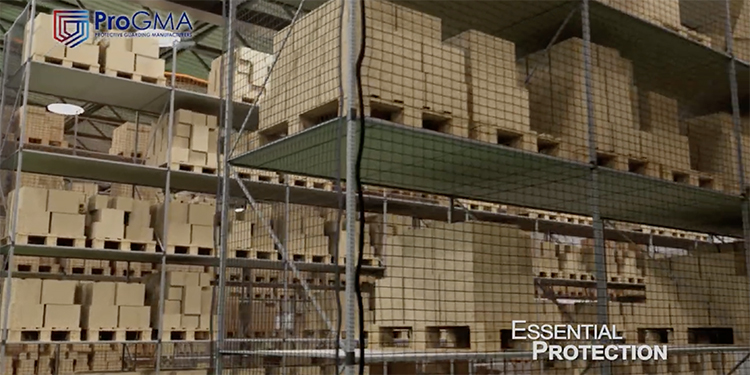
Storage racks hold inventory well above head height. Installing protective guard netting along the back and sides of rack bays keeps product from falling into walkways or workstations below.
“Rack guard netting protects two things at once: the person walking underneath and the product sitting on the shelf,” explained Schirmer. “Once it’s properly installed and tensioned, it’s doing its job quietly in the background every single day.”
Front-of-Rack Netting
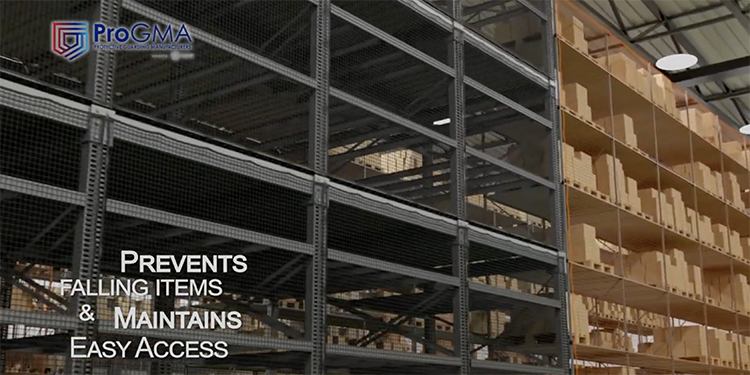
Installed across the face of an industrial storage system, this application keeps items from falling off the front of the rack while still allowing workers to access inventory. In these situations, the netting adds another layer of protection to the overall storage system.
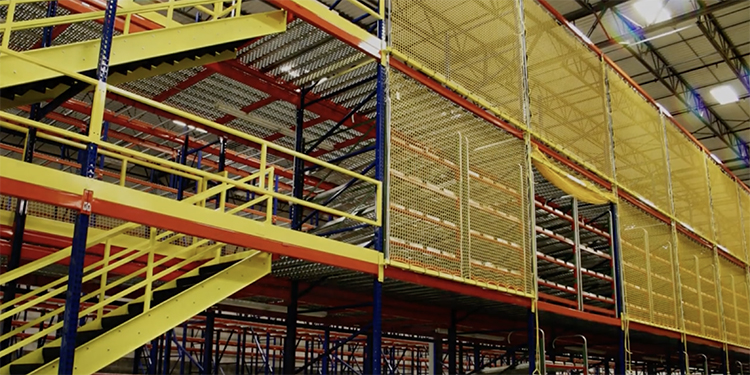
Mezzanines and Elevated Work Platforms
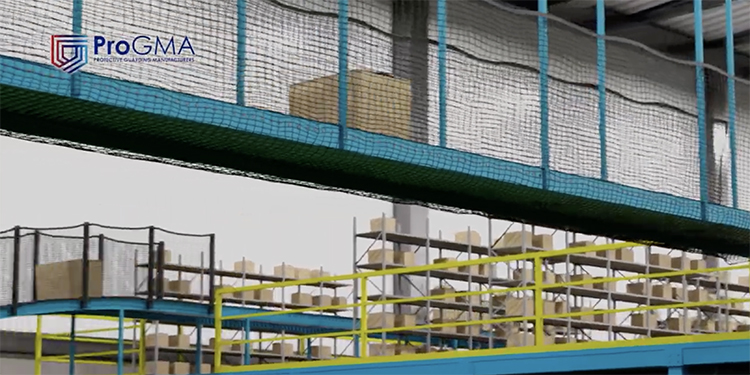
Constructed to add valuable floor space to a facility, mezzanines and elevated work platforms also introduce a fall hazard for anything stored or handled near the edge. Netting barriers installed around the perimeter and underneath keep objects from tumbling to the level below.
Netting Walls
In areas that require segregation, security, or organized item stacking, netting walls act as a barrier. Nets can divide inventory, restrict access to hazardous zones, and keep workflows organized without sacrificing visibility.
Automated Storage and Retrieval Systems (AS/RS)
These systems move products quickly and with minimal human intervention, making containment even more important. Protective guard netting around AS/RS equipment, both inside and outside the system, catches loose items during automated movement. This ensures that the system keeps running without interruption.
“What stands out from watching all six of these applications in ProGMA’s video is how much of a facility’s footprint can benefit from netting,” noted Schirmer. “It’s easy to think of netting as just a rack accessory, but the same principle applies anywhere product is overhead, moving, or stored close to a walkway.”
A System, Not a Single Product
One of the video’s key points is that these protective guard netting applications aren’t isolated solutions. Instead, they work together as part of a broader safety strategy. A facility might use conveyor netting to catch loose parts, rack netting to contain inventory, and mezzanine netting to protect the floor below, all within the same building.
“Facilities rarely need just one type of netting,” Schirmer concluded. “Once you start mapping out where product is elevated or moving, you usually find several areas that need attention. Fortunately, all these protective guarding systems work together. Several member companies of ProGMA that supply netting solutions are available to help.”
Watch and Learn More
To see all six applications in action, watch the full video. For a deeper dive into specific aspects of protective netting, check out these additional blog posts from ProGMA:
- The Importance of Protective Guard Netting for Worker Safety and Product Retention
- How to Select the Right Type of Protective Guard Netting for a Specific Application
- 9 Ways Safety Netting Benefits Warehousing and Distribution Operations
- Applying Safety Netting? Avoid These Common Mistakes
- Protective Netting Safeguards People and Property in Multiple Industrial Applications
Learn More About Protective Guarding Solutions
Looking for additional ways to improve your facility’s safety? The members of ProGMA offer the Protective Guarding Search Tool, a list of frequently asked questions (FAQs), case studies, and more. Visit ProGMA’s website at mhi.org/progma.