
How Gravity Conveyors Reduce Injuries and Boost Efficiency
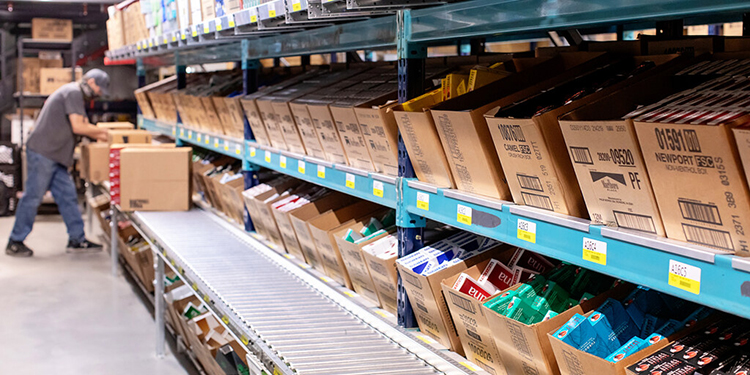
Manufacturing and distribution operations continue to face persistent safety and injury risks from manual material handling. Heavy lifting, repetitive motions, awkward postures, and frequent handling remain leading causes of musculoskeletal disorders across production floors and warehouses. For companies seeking practical ways to reduce strain and improve throughput, gravity conveyors provide a simple and effective ergonomic solution.
“When evaluating manual workflows, the first order of business should be reducing unnecessary lifting, bending, or twisting,” said Megan Baker, Director of Marketing at UNEX. The company is a member of the Ergonomic Assist Systems & Equipment (EASE) Council.
“Gravity conveyors allow materials to move smoothly with minimal manual handling,” she continued. “They also place items where workers need them, instead of forcing workers to chase items around the floor.”
With the right design and layout, gravity conveyors help operations improve ergonomics, reduce injury risks, and build more consistent, productive workflows, she added.
Why Manual Handling Poses Risks—and How Gravity Conveyors Help
Manual material handling remains a top cause of workplace injuries in manufacturing and warehousing operations. Workers often lift, carry, bend, twist, or walk long distances to move parts or products. That puts them at risk of overexertion, repetitive-strain injuries, and fatigue. Further, these hazards typically escalate under high throughput or just-in-time (JIT) pressures, noted Baker.
Replacing or supplementing manual handling workflows with gravity conveyors reduces these risks. By allowing materials to move along a planned path using gravity, workers avoid many repetitive lifting and carrying tasks that strain joints, muscles, and connective tissue.
“By letting gravity do the work, you remove many of the most common hazards from material flow,” Baker added. “It isn’t about replacing workers. It’s about redesigning the flow so workers don’t have to fight the system.”
Benefits Include Improved Ergonomics and Workflow Efficiency
According to Baker, gravity conveyors deliver ergonomic and operational benefits in several key areas. These include:
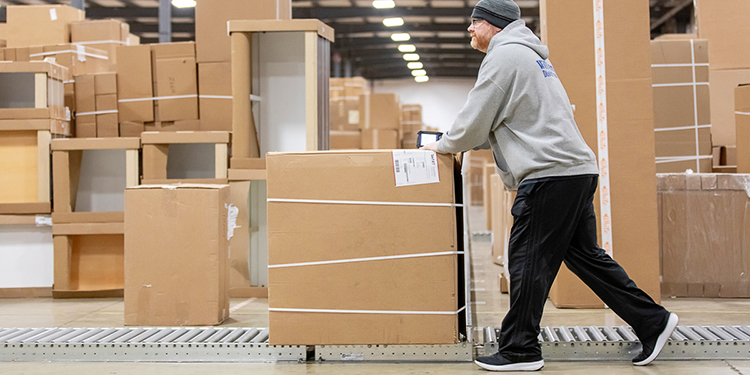
- Minimized Manual Touches and Travel: Gravity conveyors reduce the number of times workers must lift, carry, or move parts manually. This minimizes fatigue and helps prevent strain.
- Ergonomic Access at Point-of-Use: When conveyors deliver materials at the right height and orientation, workers avoid bending, twisting, or reaching to retrieve items.
- Energy-Free, Low-Maintenance Operation: Gravity conveyors have no motors or complex moving parts. This equates to quieter operation, lower maintenance, and fewer mechanical hazards.
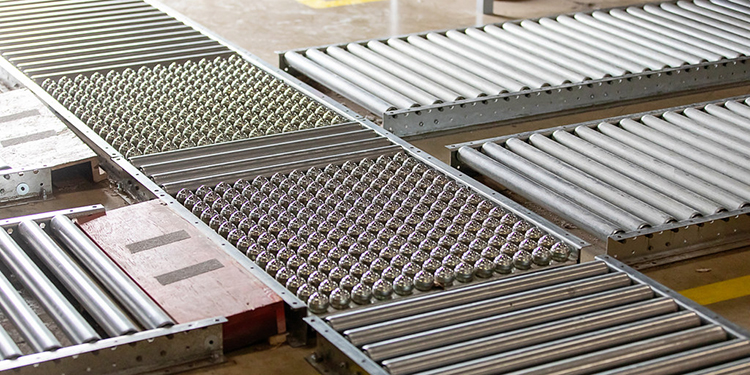
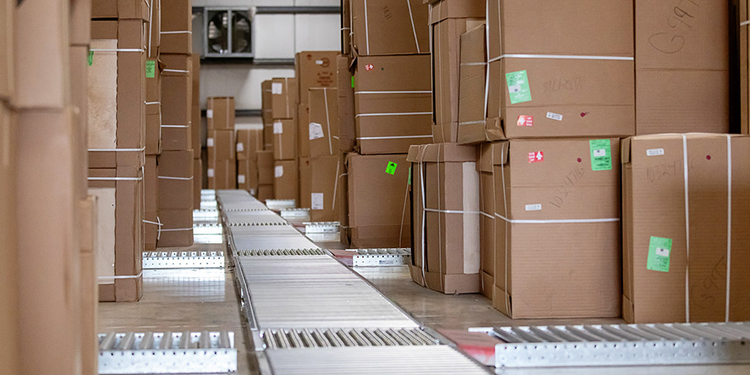
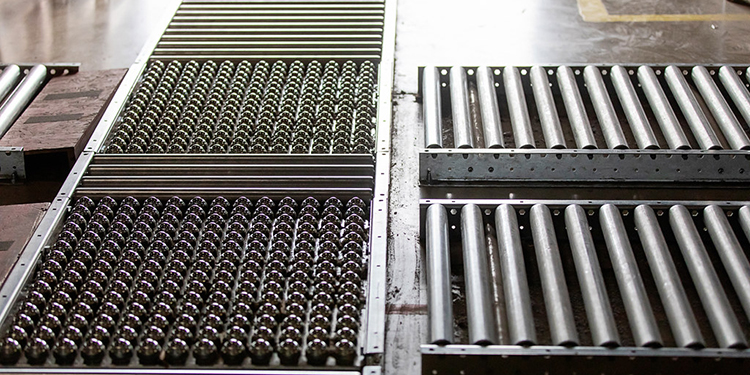
- Flexibility and Adaptability: To meet changing workflow needs, system configurations can include different roller types, widths, and supports. Other accessories—such as guardrails or package stops—are also available.
“These features help create safer, faster workflows with fewer physical demands on workers,” she said.
Typical Use Cases
When considering installing gravity conveyors, Baker advised operations to focus on areas where manual handling currently drives strain, fatigue, or inefficiency. Common applications include:
Assembly Lines & Workstations
Conveyors supply components directly to point-of-use, reducing the need for bending or awkward reaches.
Packing, Sorting, and Kitting Areas
Items flow smoothly to packing stations, minimizing handling and supporting ergonomic, lean workflows.
Picking, Staging, and Take-Away Lanes
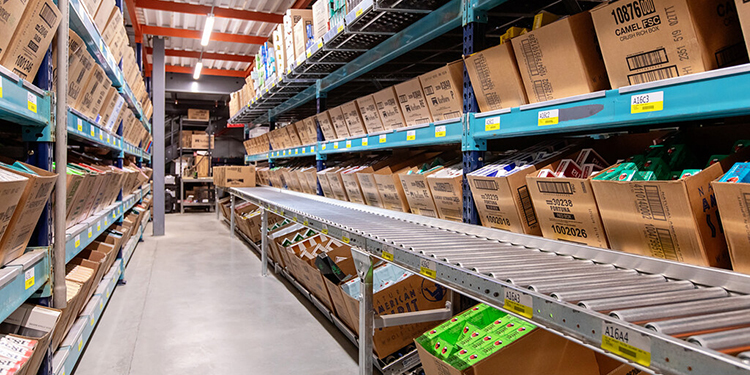
Conveyors reduce walking and carrying, helping teams maintain consistent throughput.
Temporary or Flexible Lines
Portable or reconfigurable conveyors support seasonal shifts or evolving production requirements.
Using gravity conveyors in these zones can significantly reduce repetitive motions and unnecessary travel.
How Gravity Conveyors Fit into a Broader Ergonomics Strategy
Gravity conveyors complement other ergonomic solutions recommended by the EASE Council, such as lift assist devices, dynamic storage systems, and proper caster and wheel selection. Together, these solutions target the underlying causes of strain: repetitive motion, awkward postures, heavy lifts, and poor material flow design.
“When you design flow around human motion—not force workers to fight flow—you get safer, faster, more sustainable workflows,” Baker noted. “Gravity conveyors can be a foundation for those improvements.”
Integrated into a larger ergonomic strategy, gravity conveyors help operations reduce injury risk while maintaining steady performance. They also enable more flexible labor deployment across shifts.
Are Gravity Conveyors Right for Your Operation?
When evaluating where and how to apply gravity conveyors, Baker advised following a structured approach.
- Map current material flow paths to identify heavy manual handling or excessive walking.
- Assess material types and weights to choose the right roller or skatewheel configuration.
- Design for ergonomic height and reach so conveyors deliver materials at comfortable working levels.
- Use modular components for areas where layouts change frequently.
- Incorporate accessories such as guardrails, gates, or package stops to enhance safety and usability.
- Monitor results, including worker feedback, strain reduction, and throughput improvements.
“The goal is not to overhaul the entire operation at once,” concluded Baker. “Instead, look for high-exertion zones where gravity conveyors can immediately lower risk and improve flow.”
Get More Ergonomics Insights from the EASE Council
Looking for more solutions to improve ergonomics in your operations? Consult with the members of the Ergonomic Assist Systems & Equipment (EASE) Council. The association offers a variety of educational resources, presentations and seminars, technical papers, checklists, and ergonomic articles on their website.